Update your browser or Flash plugin
Listen: Children need explicit teaching methods rather than simply being exposed to books and hoping they'll pick it up naturally.
If you’ve ever watched your child struggle with reading and wondered what you could do to help, you’re not alone.
Key points:
- When children struggle with reading, many parents immediately wonder about learning disabilities.
- Children need explicit teaching methods rather than simply being exposed to books and hoping they’ll pick it up naturally.
- Asking for help isn’t a sign of failure: “We all need to call out to someone at some point in our parenting journey.”
- Listen to the full conversation in the player above.
Many parents face this challenge, and the good news is there are answers and support available.
Kellyanne, a passionate teacher with 16 years of classroom experience and founder of a local Sunshine Coast tutoring business, recently shared her insights on Salt 106.5’s Jordie.
Her message was clear: parents shouldn’t panic, and there’s plenty of hope for children who find reading difficult.
It’s not always what you think
When children struggle with reading, many parents immediately wonder about learning disabilities.
“The big one parents think, oh, is my child dyslexic?” Kellyanne explained. However, she noted that for most children, this isn’t the case.
“For most children, that’s not always the case. It’s not always a learning disability or learning difficulty there. A lot of the time, sadly, it’s the way the child is being taught,” she said.
Kellyanne, who has worked in schools for many years, was honest about the challenges within the education system.
“The Australian curriculum has been updated now to reflect the best practice of teaching reading.
“But there are still schools who are getting on board with teaching reading using a structured literacy program.”
When children struggle with reading, many parents immediately wonder about learning disabilities.
Reading is different to speaking
One important point Kellyanne emphasised is that learning to read isn’t like learning to speak.
“It’s not a skill,” she said. “You cannot learn to read through immersion. It’s so different from learning to speak.
“Children pick up oral language, being around it. But reading is not a natural skill or something created.”
This means children need explicit teaching methods rather than simply being exposed to books and hoping they’ll pick it up naturally.
Simple ways to help at home
For parents wanting to support their children, Kellyanne suggested some practical activities.
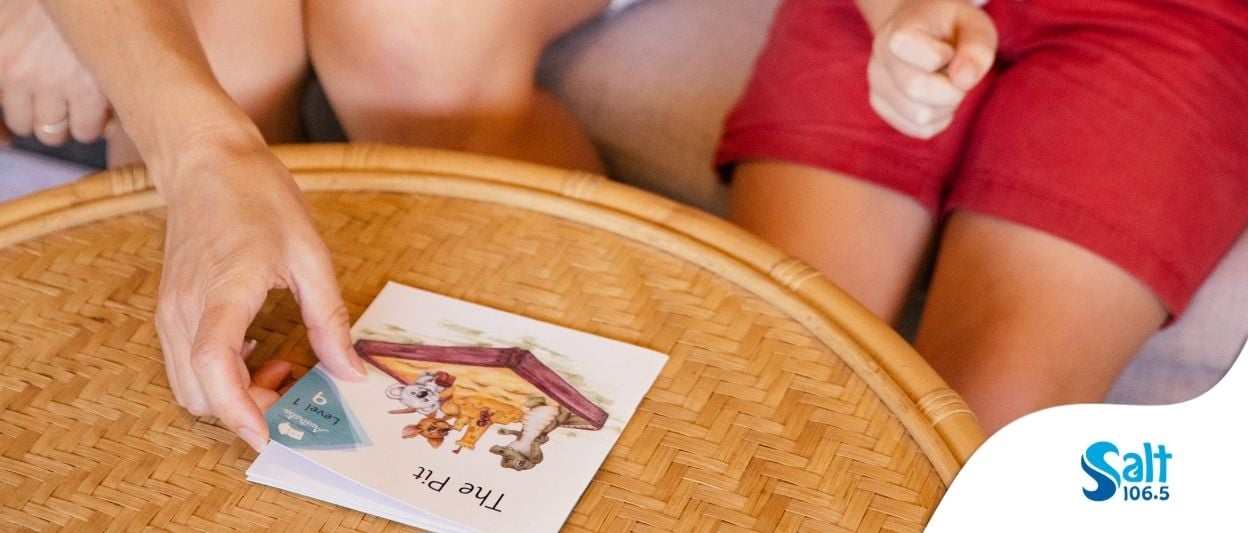
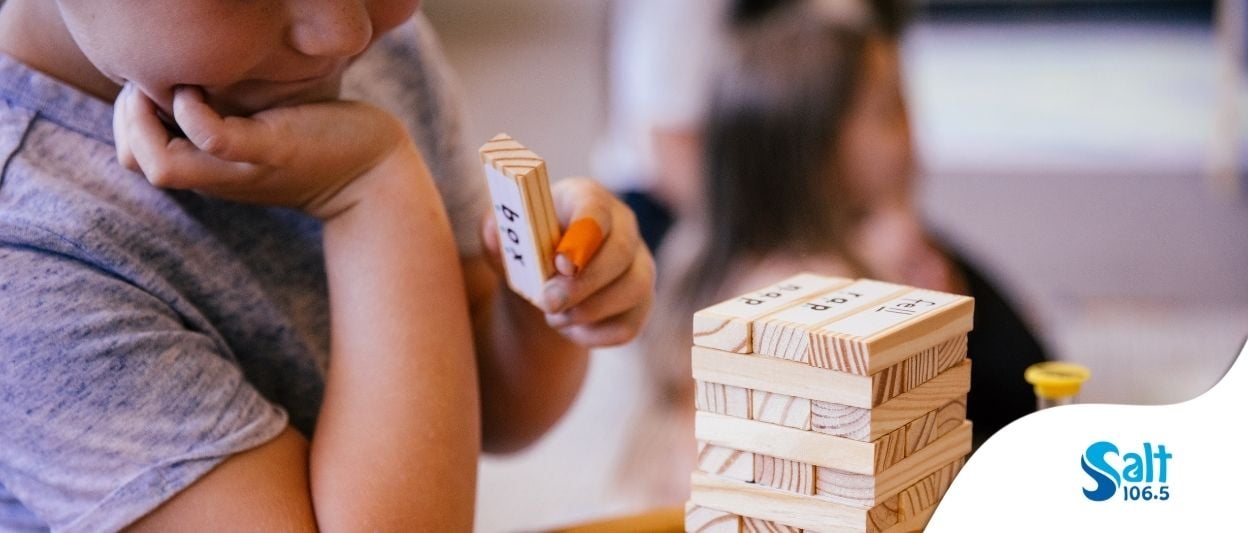
One way to identify if there might be a learning difficulty is to test phonemic awareness through fun games.
“If you want to identify if it’s a learning difficulty, first see if they can orally blend sounds… play some fun [phonemic word] games… see if they can work out the word,” she explained.
She also suggested games like Simon Says.
Children need explicit teaching methods rather than simply being exposed to books and hoping they’ll pick it up naturally.
Building a love for books first
Before children can read independently, they need to enjoy books. Kellyanne’s advice was simple: read to them.
“Before they want to read, they need to enjoy books. And the way they get to enjoy books is by you reading to them.
“Establish that from very early on reading to your child, even reading to babies is really beneficial.
“That just gives them a greater vocabulary and then helps them understand books later on.”
Don’t panic – seek support
For parents currently worried about their child’s reading progress, Kellyanne’s first piece of advice was reassuring: “First of all, don’t panic.”
She encouraged parents to try the suggested activities and continue reading to their children, but also to seek help when needed.
“If they’re still not able to pick up reading, I would seek help and speak to their teacher to get advice of where to next.”
Importantly, she reminded parents that asking for help isn’t a sign of failure. “We all need to call out to someone at some point in our parenting journey.”
Kellyanne also advised parents to advocate for their children: “Speak to the teachers and if you’re not feeling like you’re being heard, then seek other avenues of support.”
Asking for help isn’t a sign of failure: “We all need to call out to someone at some point in our parenting journey.”
Hope for every child
Reading difficulties are often about teaching methods rather than a child’s ability.
With the right support and approach, children can move from struggling with books to enjoying them.
For parents feeling overwhelmed by their child’s reading challenges, Kellyanne’s message offers both practical help and encouragement that every child can learn to read with the right support.
Listen to the full conversation in the player above.
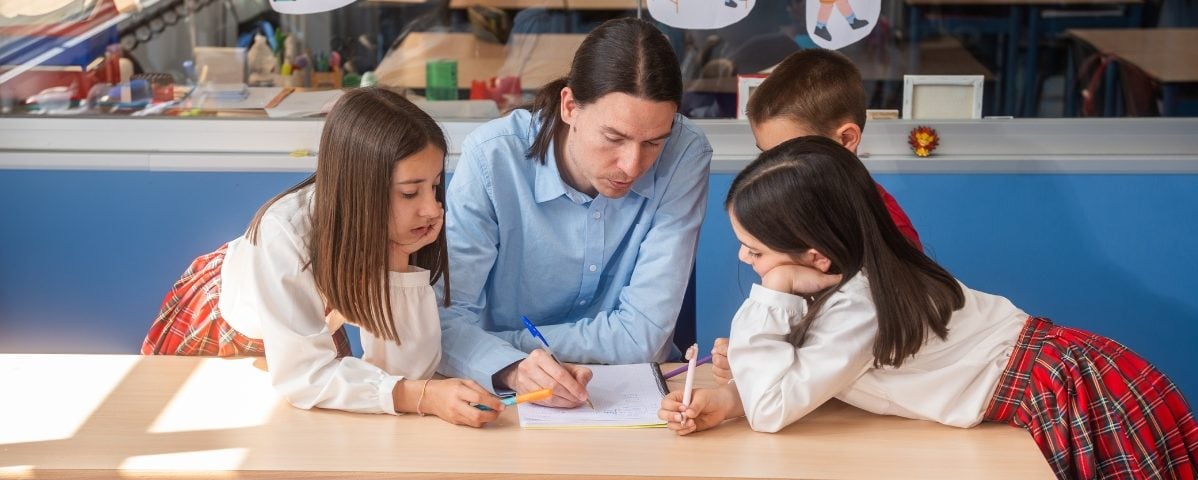
Feature image: Photo supplied by The Reading Village and used with permission.
Feature image: Supplied (The Reading Village)
Get daily encouragement delivered straight to your inbox
Writers from our Real Hope community offer valuable wisdom and insights based on their own experiences!
Subscribe + stay connected with all
our latest stories
"*" indicates required fields