Update your browser or Flash plugin
Listen: The work parents do in those early years of reading together creates a foundation that extends far beyond literacy.
For parents juggling homework battles and bedtime routines, the struggle to get children engaged with reading is all too familiar.
Key points:
- “A book a day is 78,000 words a year which totals to 1.4 million words by the age of five.”
- Reading together offers something precious in our technology-filled lives.
- The work parents do in those early years of reading together creates a foundation that extends far beyond literacy.
- Listen to the full conversation in the player above.
Local mum and educator Kellyanne, who has 16 years of classroom experience and runs her own tutoring business on the Sunshine Coast, recently shared some eye-opening insights about why reading to your children is one of the most powerful gifts you can give them.
1. The numbers will blow your mind
The statistics around reading to children are nothing short of remarkable.
“A book a day is 78,000 words a year which totals to 1.4 million words by the age of five,” Kellyanne explained during her recent interview on Salt 106.5.
This word exposure doesn’t require lengthy novels or complex stories.
“Small books, those when they’re babies, those board books, the ones they can’t tear or chew,” she clarified, acknowledging the reality many parents face with enthusiastic toddlers.
2. Building vocabulary and communication skills
Beyond the impressive word count, reading serves a deeper purpose in child development.
“Getting that word exposure to them, building their vocabulary is really going to help them with their language skills,” Kellyanne noted.
“And being able to communicate, which is really important, those communication skills for them to be independent at school and just helping them comprehend their world.”
“A book a day is 78,000 words a year which totals to 1.4 million words by the age of five.”
For parents watching their children’s developing minds, this process is particularly fascinating.
“There’s a lot going on because reading is not a natural skill. It needs to be explicitly taught,” she explained.
“So the repetition of reading to kids is firing off those neurons as well.”
3. Creating connection in a busy world
Reading together offers something precious in our technology-filled lives.
“It is a time where parents get to be focused one on one with their child, put down the technology and just connect,” Kellyanne shared.
“Connect with stories. Stories bring about conversations as well.”
This bonding aspect becomes even more valuable as children grow and school demands increase.
Many parents struggle when reading homework becomes a chore rather than a joy, but Kellyanne offers practical solutions.
4. There are some clever hacks
For families where bedtime stories have become battlegrounds, the key is giving children agency.
“I think it’s absolutely important for the child to choose the book,” she advised.
“It has to be child led. They feel they’re in control and they’re more interested to sit down.”
Reading together offers something precious in our technology-filled lives.
Creating the right environment also matters.
“We put lavender oil on in our bedroom to get everyone in a calm state,” Kellyanne suggested, recognising that children need to be settled before they can engage with stories.
5. Fun excuse to break the homework rules
One particularly liberating piece of advice challenges conventional thinking about school reading requirements.
“You don’t have to do the book that’s sent home from school,” Kellyanne revealed.
“We just say, well, we’ve read a different book at home and we write down the name of the book that we read at home.”
This approach acknowledges that engagement matters more than compliance.
“Sometimes the book that comes home from school is not of interest to your child,” she explained, noting that as children become more competent readers, they can start selecting books that genuinely interest them.
6. There are so many alternatives to traditional reading
For families struggling with books altogether, there are other ways to build language skills and connection.
Kellyanne recommends conversation starter packs and language games as alternatives that still provide quality bonding time and skill development.
“There are so many games out there that you can bring in language and also build connection time with your child as well,” she noted, offering hope for parents whose children aren’t yet ready for traditional story time.
The work parents do in those early years of reading together creates a foundation that extends far beyond literacy.
7. The foundation for future learning
The work parents do in those early years of reading together creates a foundation that extends far beyond literacy.
“It’s getting them used to sounds, getting them ready for when this is like pre reading,” Kellyanne explained.
“It’s preparing them for one day to be able to read for themselves.”
For Sunshine Coast families navigating the challenges of raising confident, capable children, these insights offer both encouragement and practical guidance.
The simple act of sharing a story each day—whether it’s a board book with a toddler or letting an older child choose their own adventure—creates connections and builds skills that will serve children throughout their lives.
Listen to the full conversation in the player above.
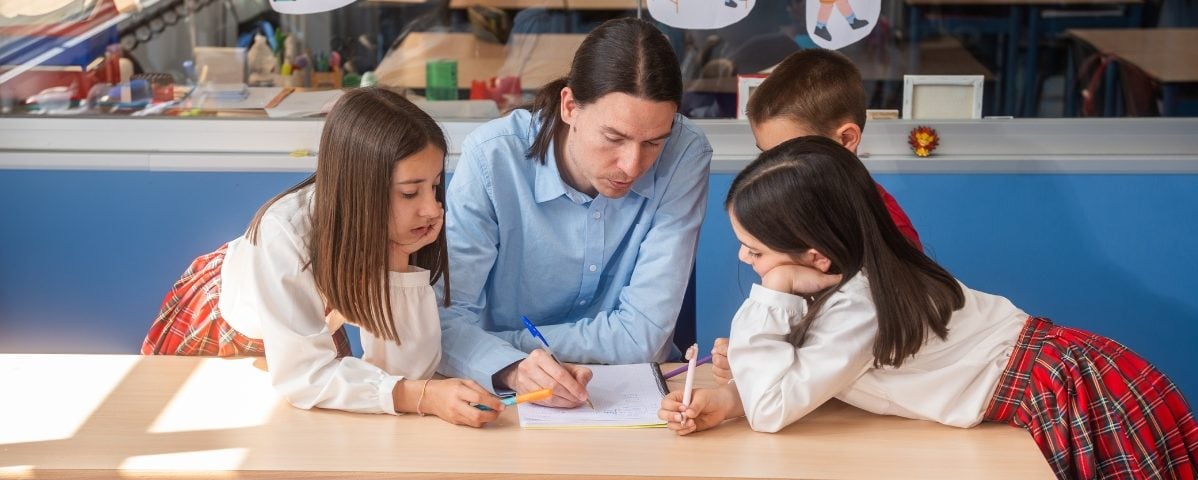
Feature image: Photo supplied by The Reading Village and used with permission.
Feature image: Supplied (The Reading Village)
Get daily encouragement delivered straight to your inbox
Writers from our Real Hope community offer valuable wisdom and insights based on their own experiences!
Subscribe + stay connected with all
our latest stories
"*" indicates required fields