Update your browser or Flash plugin
Listen: Kellyanne suggests listening to audiobooks or playing word-based games to help teach your child to love learning and reading.
Learning to read can feel overwhelming for both children and parents, but it doesn’t have to.
Key points:
- “One of the most important things is knowing some sounds that letters make.”
- Kellyanne suggests listening to audiobooks at bedtime. “It’s about giving them a love for learning.”
- “There are lots of games where you’re not reading chunks of text… that’s still developing their reading skills.”
- “Reading does not have to be a book” – think of it as quality time rather than a chore.
- Listen to the full conversation in the player above.
A local Sunshine Coast teacher with 16 years of experience is sharing practical advice to make the journey easier and more enjoyable for families.
Kellyanne, a mum to an eight-year-old and founder of a tutoring business on the Sunshine Coast, recently spoke with Salt 106.5’s Jordie about simple strategies parents can use at home to support their children’s reading development.
1. Sounds matter more than alphabet names
When it comes to preparing preschoolers for reading, many parents focus on teaching the alphabet.
While Kellyanne acknowledged this is common practice, she suggested a different approach might be more helpful.
“[What] a lot of parents do, which is great, is teaching the children the Alphabet… It’s great, but it’s not really that important for learning to read… it’s fun, it’s a sing along.
“Rhyming songs are really good just for getting children used to sounds within words,” she explained.
“One of the most important things is knowing some sounds that letters make.”
Instead, Kellyanne recommended focusing on letter sounds: “What would be one of the most important things in getting like a preschooler ready for school and learning to read is knowing some sounds that letters make.”
She suggested incorporating this naturally while reading together: “I could be reading a book and just pointing out, as we do, we point out what’s in the pictures and then ask them, what is that? That’s a pig. What sound does a pig make? What sound is at the beginning of the word pig?”
This approach helps children develop crucial listening skills: “Just getting their ears ready to hear sounds is really foundational for them to be able to blend sounds later on.”
2. Make bedtime reading enjoyable
For parents struggling with bedtime reading battles, Kellyanne offered practical solutions.
She distinguished between reading for enjoyment and reading for homework practice, suggesting different approaches for each.
“It depends what the purpose of the reading is for… is the reading for just enjoyment or [do they have] homework? There’s two different types here,” she said.
Kellyanne suggests listening to audiobooks at bedtime. “It’s about giving them a love for learning.”
For creating positive associations with stories, Kellyanne shared what works in her own family: “My son and I, we listen to a lot of audiobooks. He falls asleep often to audiobooks.
“That’s another one that can help relax your child… It’s more about giving them a love for learning.”
She emphasised the importance of imagination and storytelling: “So you’re wanting them to just enjoy stories and have an imagination. It’s just part of childhood, right. Just getting immersed in stories.”
3. Reading doesn’t have to mean books
One of Kellyanne’s most encouraging insights was that reading practice can happen in many different ways.
She suggested alternatives for families who find traditional books challenging.
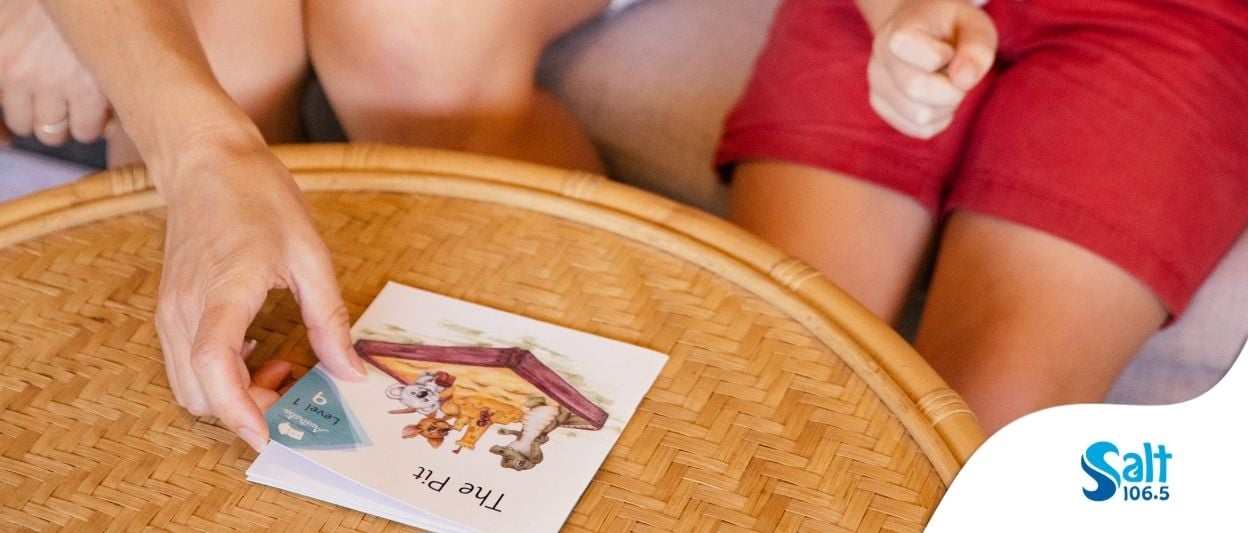
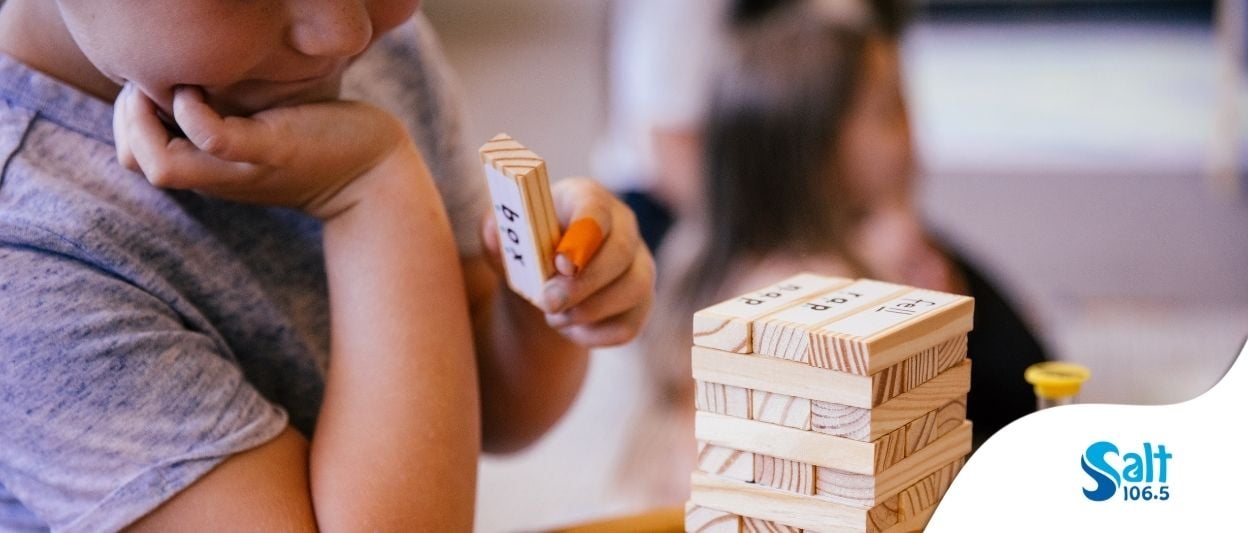
“Reading does not have to be a book. Surprise! We have a great game at home,” Kellyanne said and suggested playing word based card games.
“There are lots of games where you’re not reading chunks of text… that’s still developing their reading skills.”
Kellyanne encouraged parents to think creatively: “There’s lots of games out there where you’re not reading chunks of text, just reading short one sentence or there are word games that you can play that are fun, engaging, and it’s just reading one word at a time.
“So that’s still developing their reading skills. Doesn’t have to be a whole book.”
3. Relax
Recognising that many parents feel pressure about their children’s reading progress, Kellyanne offered reassuring guidance.
Her first piece of advice was simple: “Firstly, relax.”
She reminded parents that support is available: “There is help out there.
“Libraries are a great source of information that you can go to.
“Reading does not have to be a book” – think of it as quality time rather than a chore.
“There are the school teachers that you can tap into and ask them for support.
“They there are tutoring businesses as well that you can tap into.”
Most importantly, Kellyanne emphasised the power of modelling positive attitudes: “I think a key thing is we need to model to our kids that reading is fun and so pick up a book and just enjoy it with them.
“It’s about that connection as well. Show them how fun reading can be.”
For parents who don’t consider themselves readers, she suggested reframing the experience: “Reading does not have to be a book” and thinking of it as quality time rather than a chore.
5. Remember – every child is different
As we know, children develop at different paces, and parents should resist comparing their child’s progress to others.
Creating positive experiences and building confidence rather than pressure makes all the difference.
With patience, creativity, and the right support, every child can develop reading skills in their own time and way.
Listen to the full conversation in the player above.
Feature image: Photo supplied by The Reading Village and used with permission.
Feature image: Supplied (The Reading Village)
Get daily encouragement delivered straight to your inbox
Writers from our Real Hope community offer valuable wisdom and insights based on their own experiences!
Subscribe + stay connected with all
our latest stories
"*" indicates required fields