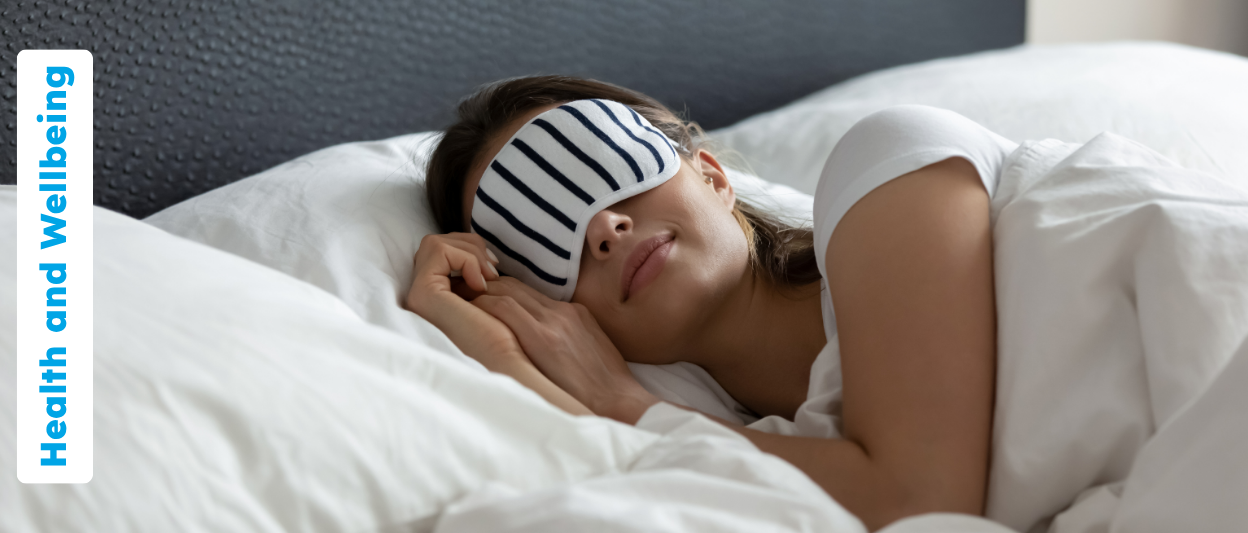
Listen: Naturopath Hannah Moore gives tips on improving sleep quality, starting with consistent daily habits.
Local naturopath Hannah Moore joined Salt 106.5 to explain why so many people struggle with sleep, and what simple changes can help restore it.
Key points:
- Sleep depends heavily on consistent routines and reducing screen exposure at night
- Caffeine and stress hormones can disrupt the body’s natural sleep cycle
- Blood sugar balance and liver health may influence overnight waking
Getting a good night’s sleep is something many people struggle with, but according to naturopath Hannah Moore, the reasons are often more practical than we realise.
With more than 17 years of clinical experience, Hannah works primarily with women dealing with fatigue, hormonal issues and low mood, and sleep regularly sits at the centre of those concerns.
Sleep relies on rhythm and routine
At the heart of good sleep is something simple: consistency.
“There is this whole process, like circadian rhythms,” Hannah said. “When we don’t have rhythm in our life, habits, healthy habits, then our sleep gets affected.”
Going to bed at the same time each night trains the body to wind down at a predictable time. Over time, this builds a natural rhythm where sleep becomes easier, rather than something you have to force.
Light and screens send the wrong signals
Modern habits are one of the biggest disruptors.
“With those blue lights, they signal to the brain it’s not sleepy time, it’s awake time,” Hannah explained.
Phones, televisions and bright household lighting can delay the natural drop in cortisol and rise in melatonin that prepares the body for sleep. In contrast, softer, warmer lighting in the evening helps signal that it’s time to rest.
Simple shifts, like dimming lights, using night-mode settings or setting a wind-down alarm, can make a noticeable difference.
Caffeine and stress keep the body switched on
Another major factor is caffeine, which stimulates stress hormones. “It increases cortisol,” Hannah said. “At least only have it before midday.”
Because caffeine can stay active in the body for hours, even an afternoon coffee may interrupt sleep later that night.
Stress adds another layer, keeping the nervous system alert when it should be settling down. Over time, this makes it harder to both fall asleep and stay asleep.
Why you might wake up in the night
Sleep challenges don’t always come from falling asleep. For many people, waking in the early hours is the real issue.
Hannah points to blood sugar levels as one possible cause.
“If your blood sugars drop, it will wake you up because you actually need to go eat something,” she said.
A small, balanced snack before bed, combining carbohydrates with protein, can help stabilise levels overnight.
She also notes the role of the liver, which is most active between 1am and 3am. If the body is under strain, this can interrupt sleep and lead to waking during those hours.
Small habits, bigger impact
Despite the range of possible causes, many improvements come back to consistent daily habits.
Hannah emphasises going to bed before 10pm, when the body enters its most restorative sleep phase.
“Sleep is when the body heals, detoxes and recovers,” she said.
Even exercise timing matters. Late workouts can keep the body activated, while earlier sessions are more supportive of rest.
Start with what you can change
While some disruptions are outside our control, many sleep issues respond to simple adjustments made consistently over time.
Reducing screen exposure, limiting caffeine, supporting blood sugar levels and keeping a steady routine can all contribute to better rest.
For Hannah, the goal is not perfection but awareness, helping people understand what their bodies need and creating habits that support long-term wellbeing.
Listen to the full interview in the player above.
Feature image: Canva Pro
Get daily encouragement delivered straight to your inbox
Writers from our Real Hope community offer valuable wisdom and insights based on their own experiences!
Subscribe + stay connected with all
our latest stories
"*" indicates required fields
More from Health and Wellbeing