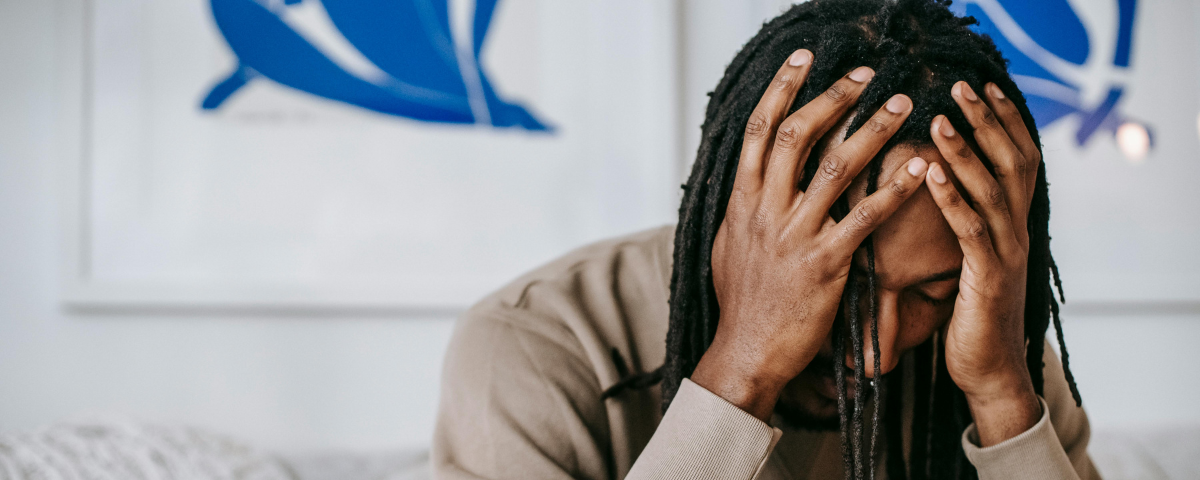
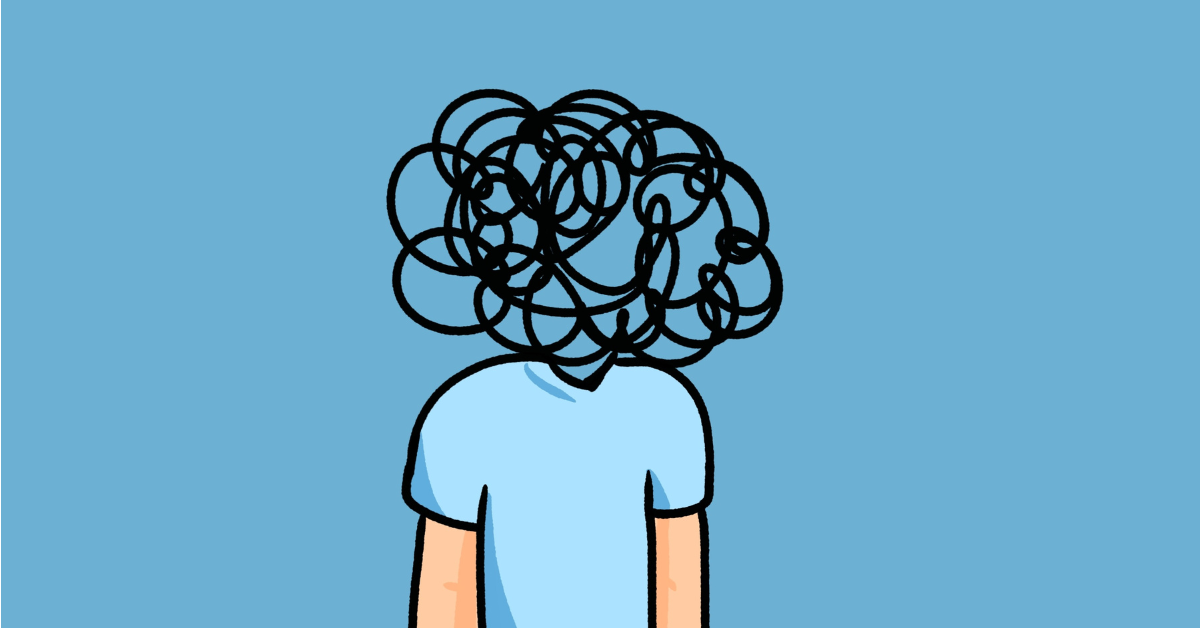
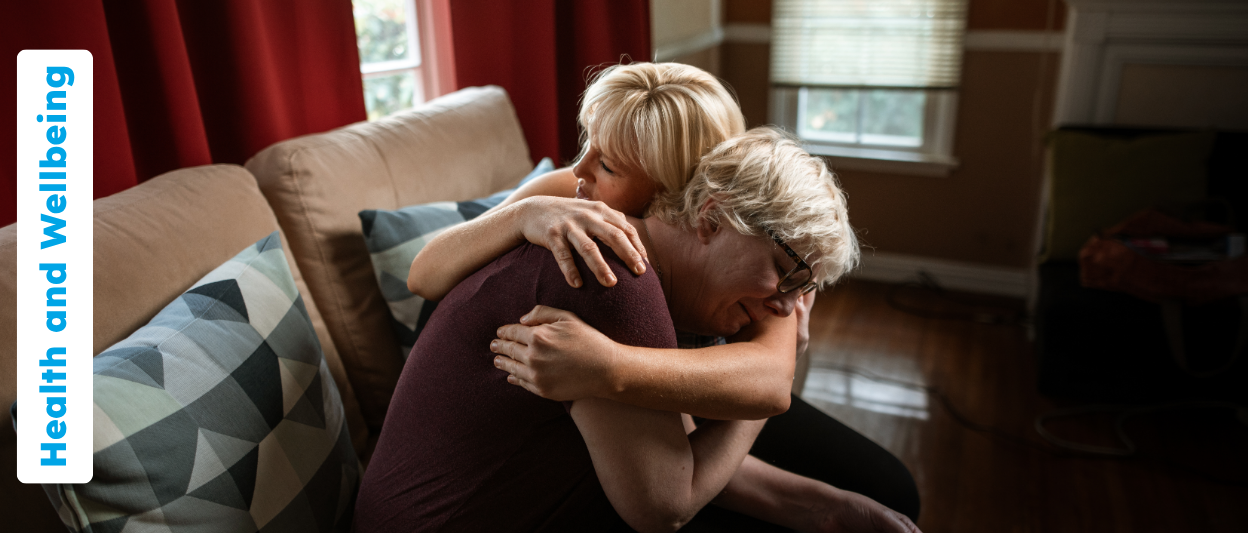
Clinical psychologist Laura Scherman shares why grief looks different for everyone and why it often feels physical, not just emotional.
Key points:
- There is no right way or timeline for grief
- Loss can affect the whole body, not just emotions
- Staying connected and allowing feelings helps the healing process
Grief is something everyone will face, yet it remains difficult to understand and even harder to navigate.
Speaking on Salt 106.5, clinical psychologist Laura Scherman reflected on her own recent loss while explaining why grief doesn’t follow a set pattern.
There’s no “right way” to grieve
Many people wonder if they are grieving properly, but according to Laura, that question misses the point.
“There is no right way to grieve,” she said.
Grief is shaped by the relationship we had with the person, which means every experience will look different. What matters most is allowing emotions to surface, acknowledging the loss, and staying connected to others.
Why grief can feel physical
Grief is not just emotional. It can affect the whole body.
Laura explains that the people we love help regulate our nervous system. When they are gone, the body can go into a stress response.
This can impact sleep, appetite and energy, making grief feel both emotional and physical at the same time.
It doesn’t move in a straight line
Rather than improving steadily, grief often comes in waves.
Some days may feel lighter, while others bring a strong sense of loss again, sometimes triggered by simple reminders.
“It’s not linear, it oscillates,” Laura said.
What helps and what doesn’t
One of the biggest challenges is trying to suppress emotions or rush the process.
Comparing your grief to others or feeling guilty for moments of happiness can also make it harder.
“It’s not that we move on,” Laura said. “We change the way we relate to that person.”
Simple things can support the process, like staying connected, maintaining basic routines, and creating space to process emotions when needed.
Supporting someone who is grieving
For those helping others, Laura says the most important thing is simply being present.
“Learn to sit in the valley with someone, not try to pull them up onto the mountaintop,” she said.
Checking in regularly, offering practical support, and not avoiding difficult conversations can make a meaningful difference.
Does it get easier?
Over time, Laura says people often grow in their ability to carry grief.
“It’s like your heart gets bigger,” she said.
The loss doesn’t disappear, but it becomes something a person can live with, while still holding onto love and memories.
Listen to the full interview in the player above.
Feature image: Canva Pro
Get daily encouragement delivered straight to your inbox
Writers from our Real Hope community offer valuable wisdom and insights based on their own experiences!
Subscribe + stay connected with all
our latest stories
"*" indicates required fields
More from Health and Wellbeing