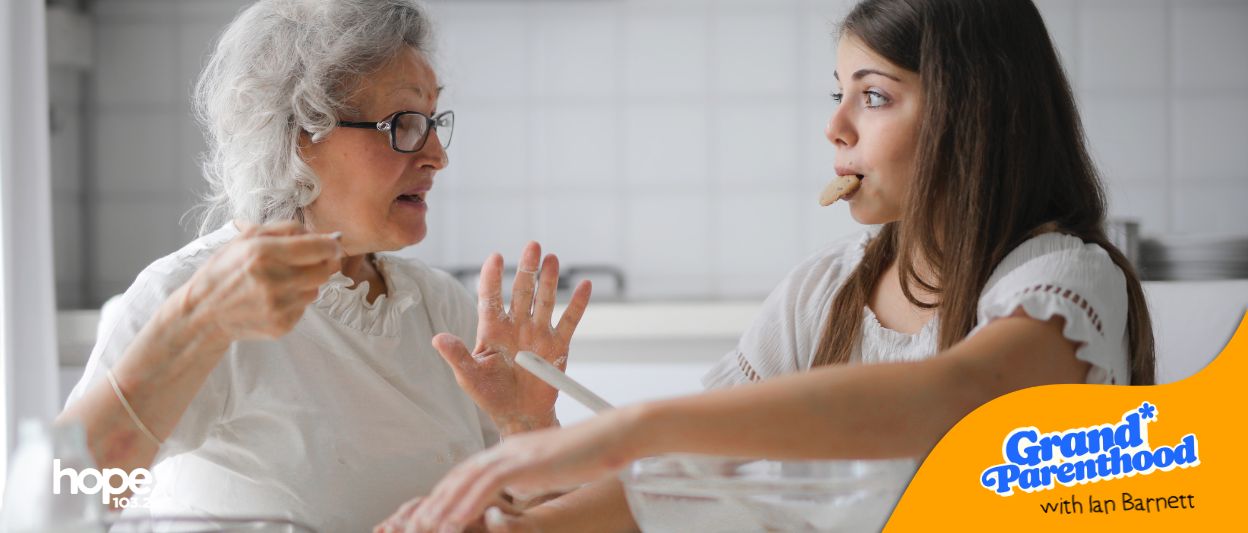
None of us really want to discuss death but grandkids can receive amazing life lessons from their grandparents
Key Takeaways
- Understanding and accepting one’s own mortality is crucial for meaningful conversations with grandchildren about death.
- Grandparents play a vital role in guiding their grandchildren through the complexities of death alongside life lessons.
- Building a legacy is not just about stuff and money — it’s about instilling hope and faith in younger generations.
- Listen to this episode of GrandParenthood in the player above or wherever you get your podcasts.
Can we talk about death?
On the Grandparenthood Podcast, Hope Mornings’ Ben McEachen raises the often taboo topic of death.
Ian Barnett from the National Grandparent Movement is comfortable discussing death, including with his own grandchildren.
Ian reckons grandparents can have a profoundly positive influence by knowing when and how to share about this delicate, unavoidable subject.
Understanding and accepting one’s own mortality is crucial for meaningful conversations with grandchildren about death.
Facing mortality with hope and acceptance
Acceptance of your own human frailty is not just about preparing for the inevitable but embracing life and its eventual conclusion – with an informed perspective.
“I know the finish line isn’t that far away,” Ian candidly said.
Beyond death being a phase of life for us all, Ian’s acceptance of it is undergirded by faith.
“I have a hope about where I’m going and what’s going to happen to me, which is connected to my faith in Jesus.”
Incorporating such acceptance into everyday conversations allows grandparents to transcend the fear commonly associated with death.
“Even as a Christian, I know if I talk about death, I’m also talking about life… which leads to that issue of hope,” Ian said.
Grandparents play a vital role in guiding their grandchildren through the complexities of death alongside life lessons.
The role of grandparents in navigating complex emotions
Grandparents are in a unique position to guide younger people through the turbulent emotions tied to death.
Recently, Ian and his seven-year-old granddaughter had an unexpected moment of raw, childish inquisitiveness about this complex subject.
During a routine school trip, Ian’s granddaughter asked, “What happens, granddad, if you die?”
Ian didn’t shun the question.
Instead, he provided a comforting and truthful response, demonstrating the power of sensitivity and openness.
Ian said his proactive and gentle approach, through anecdotes and Scripture, presented the perspective that avoidance isn’t the solution.
“The reality is, we shouldn’t avoid understanding about where we’re going and our own future,” he said.
Helpful frameworks for discussing death as a transition point in eternity can be Bible passages, such as Job and or the Gospel of John.
Building a legacy is not just about stuff and money — it’s about instilling hope and faith in younger generations.
A legacy of faith and resilience
Building a legacy extends beyond physical inheritance.
It is about the emotional and spiritual gifts which a grandparent imparts.
Ian emphasised living a life reflecting faith and hope, stemming from the belief that these elements shape the narratives left behind.
Ian hoped his grandchildren could say: “We saw heaven in Granddad before Granddad was in heaven.”
Grandparents can seize moments and “leave a legacy of faith,” ensuring values and beliefs about death are transmitted to younger generations.
Building that legacy is interwoven with sharing experiences, joys, and even mortality – with transparency.
The key is not simply to address death with grandchildren but to frame it within the context of life, hope, and an enduring legacy.
Listen to this episode of GrandParenthood in the player above or wherever you get your podcasts.
Feature image: CanvaPro
Get daily encouragement delivered straight to your inbox
Writers from our Real Hope community offer valuable wisdom and insights based on their own experiences!
Subscribe + stay connected with all
our latest stories
"*" indicates required fields
More from Christian Living